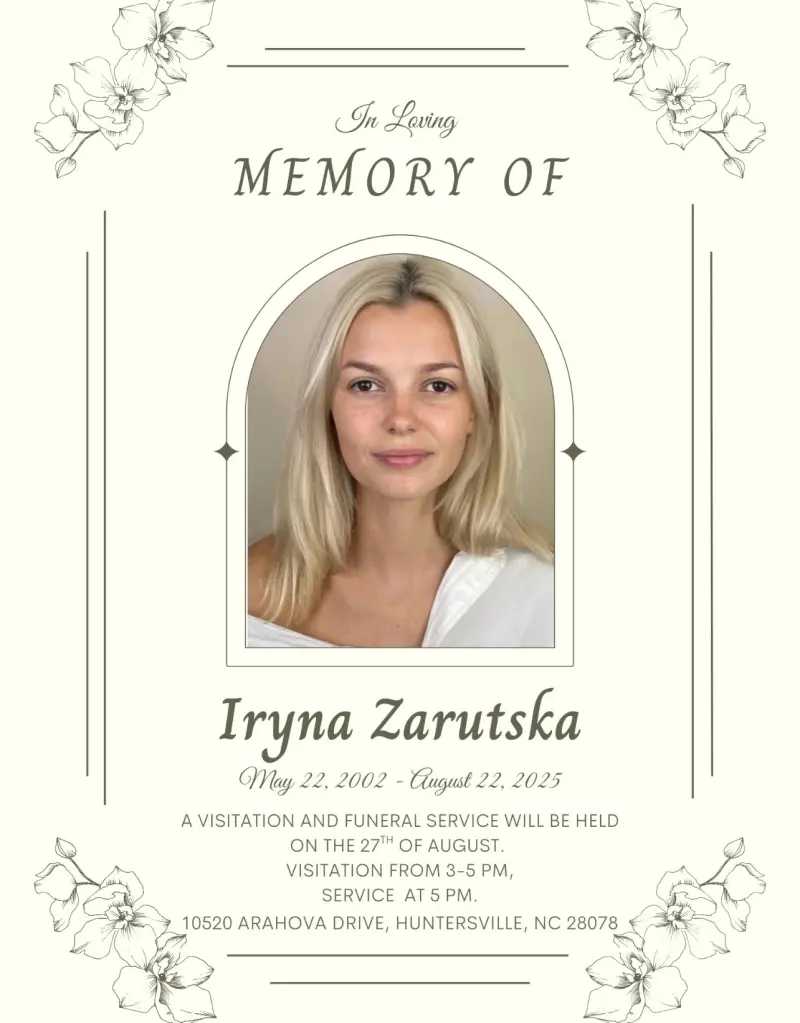
Kyiv, Ukraine, 2002 -- The city hummed with the familiar cadence of morning: the rattle of trams on cobblestone streets, the scent of fresh bread drifting from corner bakeries, and the distant murmur of children playing in narrow alleyways. Among them was Iryna Zarutska, a small girl with wide eyes that drank in everything around her. Her world was bright, layered with textures and colors she would later bring into her art. She had an artist’s mind even then: noticing the subtle curve of a tree branch, the interplay of sunlight on peeling paint, the way shadows could transform a simple courtyard into a stage for imagination.
Born on May 22, 2002, Iryna was the daughter of a quiet but determined family. Life in Kyiv was simple, though not without challenges. Her childhood was filled with the laughter of siblings, afternoons spent with friends, and long hours in school where her curiosity set her apart. While many children rushed through lessons, Iryna lingered on details—the way letters could form shapes, the colors of the sky shifting with the seasons, and the possibilities that existed in creating something entirely new from the mundane.
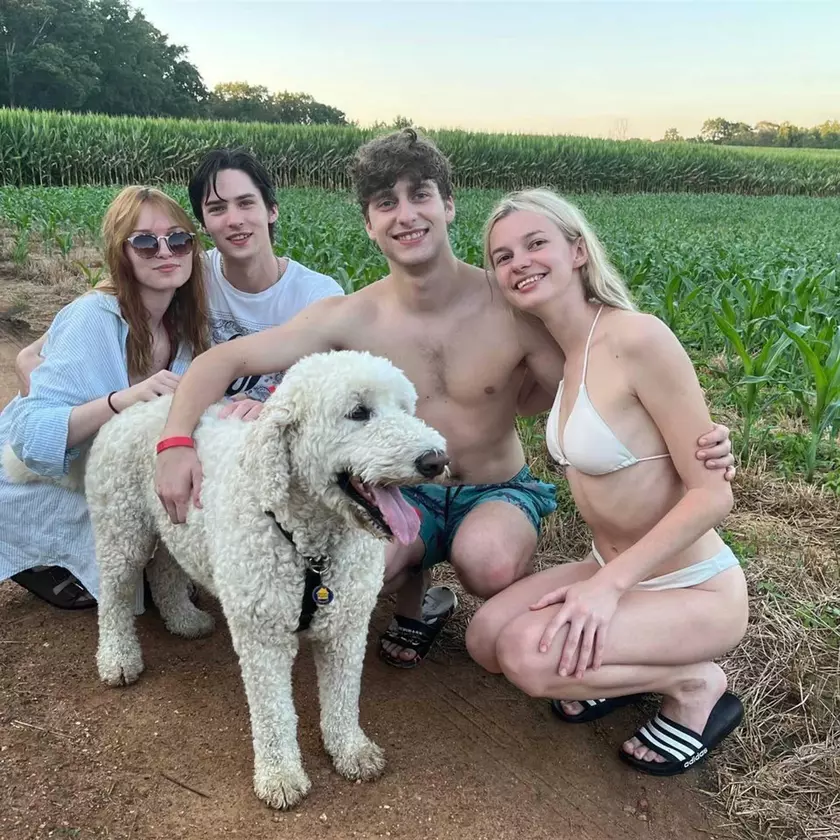
Her parents nurtured her creativity. At home, she carved small sculptures from clay, stitched tiny pieces of fabric into experimental clothing, and filled notebooks with sketches of designs, animals, and faces. Her imagination was inexhaustible. Teachers quickly noticed her aptitude for art, recommending classes and programs to further hone her skills. But even with recognition, Iryna’s creativity remained deeply personal—a reflection of her soul rather than a pursuit of acclaim.
By mid 2022, the shadows of war stretched across Ukraine. For Iryna and her family, the familiar streets of her childhood became tinged with danger and uncertainty. Air raid sirens punctuated the nights, turning sleep into restless tension. Her home, once a sanctuary, became a reminder that safety was fleeting. Conversations were hushed, and the urgency of departure became unavoidable.
The decision to leave Kyiv was not made lightly. They carried little—clothes, documents, a few personal mementos—but took with them a hope that America would offer a chance to rebuild, to live freely, to let Iryna continue the life she had started to shape in art and learning. The journey was fraught with uncertainty: trains crowded with strangers, hours of waiting in border queues, the constant worry for safety, and the quiet fear of leaving everything familiar behind.
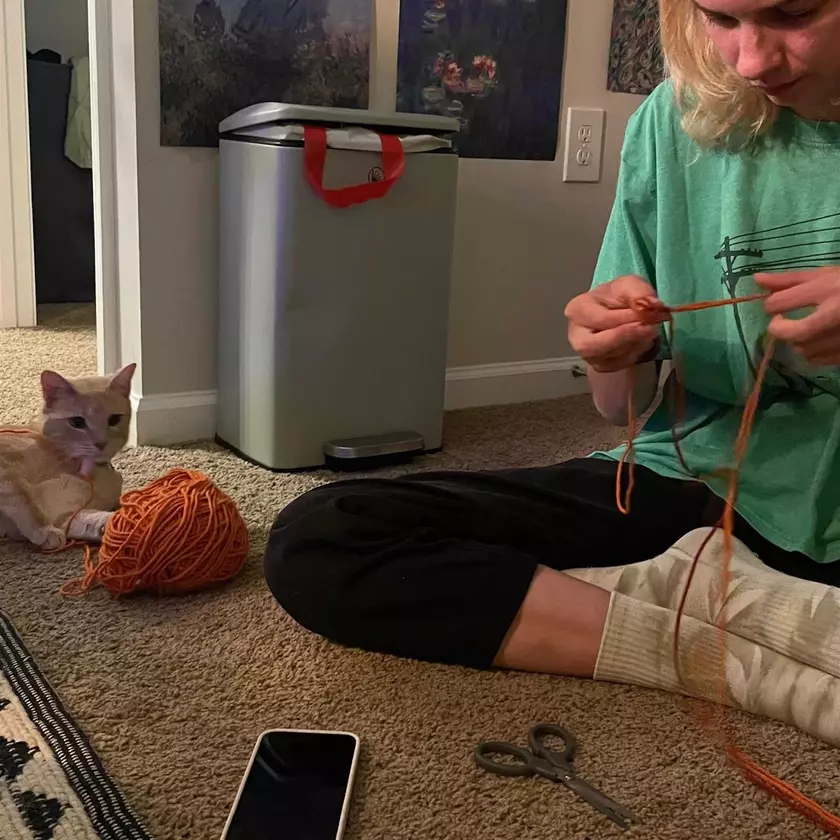
Arriving in Charlotte, North Carolina, was both relief and culture shock. The city was bustling in ways Kyiv never had been—brightly lit streets, the hum of cars, the accents of people who had no memory of the streets Iryna once knew. For her, each step was a negotiation between nostalgia and curiosity. She began attending classes, navigating a new language, and slowly learning the rhythms of a world that was at once thrilling and alien.
Despite the upheaval, Iryna remained herself: intensely curious, endlessly creative, and quietly observant. She took small jobs to help her family, eventually working at Zepeddie's Pizzeria. She was meticulous even in the simplest tasks, folding pizza boxes with care, greeting customers with a shy but genuine smile, and offering small acts of kindness that made coworkers feel noticed and valued.
Outside of work, she nurtured her passions. She continued to draw, sculpt, and experiment with clothing designs. She would wander local streets with a sketchbook, capturing moments of urban life: the curve of a wrought-iron fence, the unexpected alignment of neon signs, the dog chasing a squirrel in a park. Each sketch, each small creation, was a statement of existence—a refusal to be defined by fear or displacement.
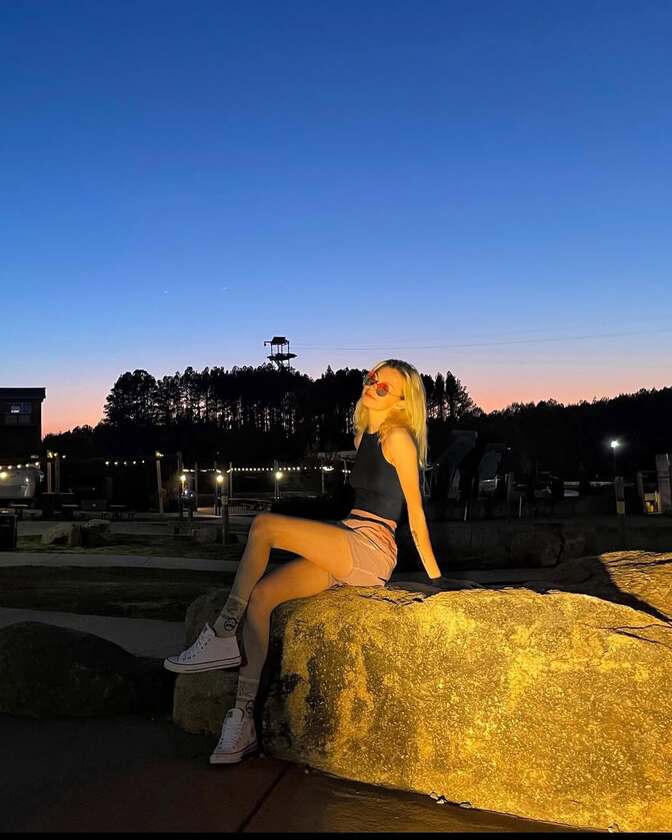
Her love for animals was evident in every neighborhood dog she met. She would often help neighbors with their pets, walking them or offering care when they were ill. Friends recall that she had a way of connecting with animals, calming even the most skittish dogs with patience and warmth.
Charlotte became Iryna’s second home, but it was more than a place—it was a canvas. She approached each day with quiet determination, exploring her surroundings with the curiosity of an artist and the heart of someone who had learned to treasure small joys.
At Zepeddie's Pizzeria, she was more than just an employee; she was a presence that colleagues described as “gentle but radiant.” She remembered regular customers’ names, noticed when someone was having a rough day, and would offer a word of encouragement or a shared laugh. In a world where she had to rebuild from scratch, she never lost sight of kindness.
Outside work, she nurtured friendships that reflected her thoughtful nature. Though initially shy, she had a magnetic authenticity that drew people to her. Friends remember her willingness to listen without judgment, to celebrate others’ successes as much as her own. Her conversations often turned to art, to animals, to dreams of creating something meaningful. She was always sketching, designing, or talking about her next project—her eyes lighting up when explaining a new idea.
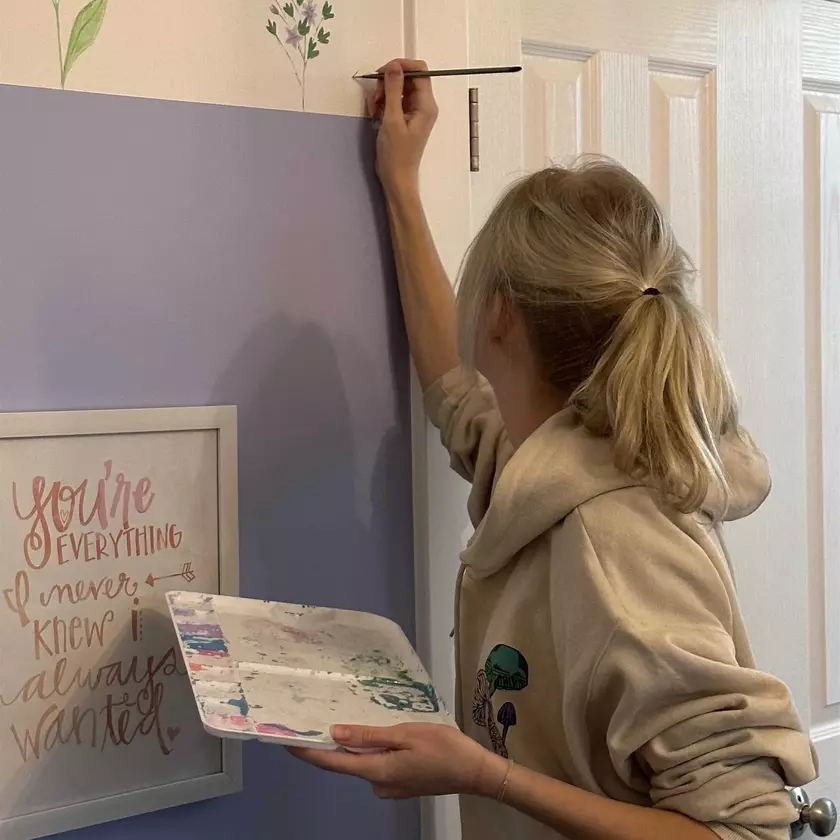
Art remained the heartbeat of her life. She continued to design clothing, blending influences from her Ukrainian heritage with the textures and colors of her new environment. Her creations were personal explorations of identity, resilience, and imagination. She shared some pieces with friends, always insisting they were gifts, never for recognition. Every stitch, every brushstroke, was a quiet assertion of life’s beauty in the face of uncertainty.
Her aspirations were deeply rooted in compassion. Iryna dreamed of becoming a veterinary assistant, motivated by her love of animals and her desire to make a tangible difference. She spent hours reading about animal care, shadowing professionals when possible, and learning to drive to increase her independence. For someone who had already endured displacement and uncertainty, these ambitions were more than career goals—they were acts of hope.
Evenings often found her walking through her neighborhood, sketchbook in hand, sometimes stopping to watch a dog play or to observe the interplay of light and shadow on buildings. She noticed details that most overlooked—the curve of a lamppost, the way leaves trembled in the wind. In those quiet moments, her artistic mind intertwined with her empathetic heart, producing observations that would later form the soul of her work.
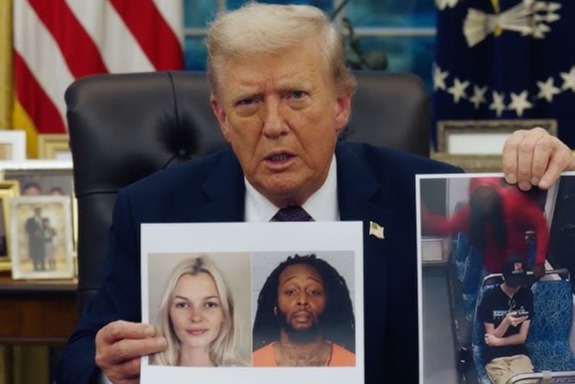
But life, as it often does, proved cruelly indifferent. On August 22, 2025, Iryna’s journey was violently cut short. She was stabbed in a senseless act of violence while simply existing in the world she had begun to make her own. Video evidence from the incident revealed disturbing racial undertones in the perpetrator’s words "I got that white girl", amplifying the horror of the attack.
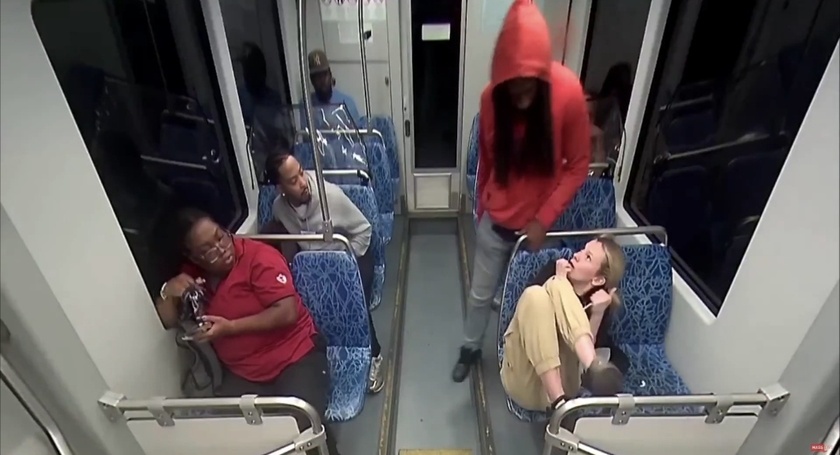
The news sent ripples through Charlotte and beyond. People struggled to reconcile the vibrancy of her life with the brutality of her death. Friends and colleagues mourned not just the loss of a coworker or neighbor, but the loss of a soul whose curiosity, creativity, and empathy had left an indelible mark on everyone she met.
Her family, still reeling from the trauma of displacement, faced the unimaginable grief of losing a child who had only begun to flourish. They chose to bury her in the United States, cementing the bond she had formed with the community she had grown to love. Every tribute, every vigil, every whispered memory underscored the enormity of what was taken too soon.
The days following August 22, 2025, were suffused with disbelief and sorrow. Friends, neighbors, and coworkers struggled to reconcile the image of the vibrant, compassionate young woman they knew with the violence that had ended her life. For Iryna’s family, who had already endured the trauma of displacement, the grief was all-encompassing. Her mother, who had once watched her daughter’s small hands mold clay into delicate forms, now faced the impossible reality of burying the child who had once been her heartbeat. Her sister, equally devastated, struggled to grasp that the person she shared laughter, secrets, and dreams with would never return.
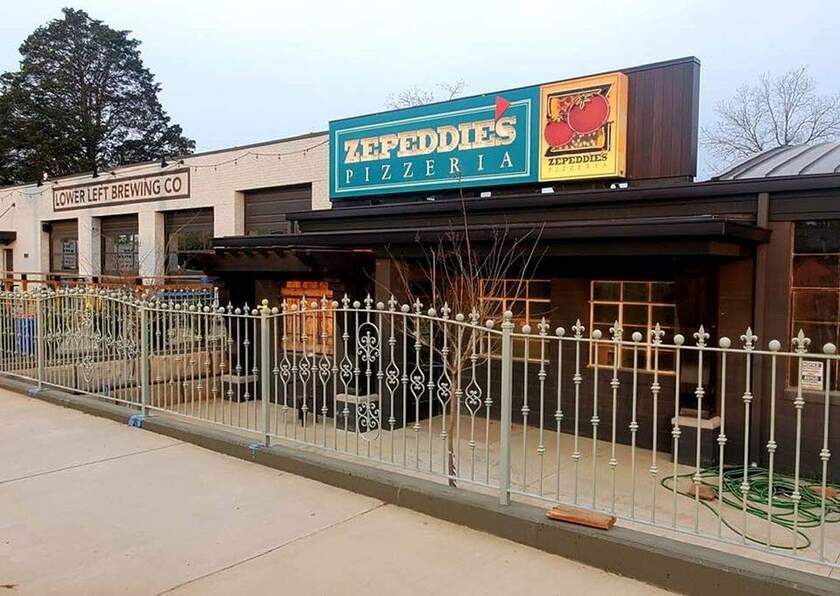
In Charlotte, the community responded with vigils and tributes. Candles were lit along sidewalks, flowers piled outside local businesses, and neighbors left handwritten notes remembering the young woman who had touched their lives in small but unforgettable ways. At Zepeddie’s Pizzeria, a makeshift memorial grew over days, adorned with sketches, stuffed animals, and photographs. Each item was a testament to Iryna’s presence, a physical manifestation of the love she inspired.
Local artists and friends contributed in their own ways. Some organized small exhibitions of her sketches and designs, honoring her creativity. Others shared memories on social media—stories of her gentle demeanor, her playful sense of humor, her unwavering care for animals. These narratives painted a fuller picture of the person behind the headlines, reminding the world that she was more than a tragic statistic.
The attack itself sparked national outrage. The video of the incident, in which the perpetrator was captured uttering racially charged statements, added an agonizing layer to the tragedy. Law enforcement treated the case as a federal hate crime, highlighting the racial and ethnic undertones of the violence. Public discourse quickly centered on issues of safety, immigration, racial bias, and the responsibilities of communities to protect the vulnerable.
For many, Iryna became a symbol—a young refugee whose life was stolen simply because of who she was. Advocates for immigrant and refugee communities pointed to her story as a reminder of the unique vulnerabilities these groups face, and the need for systemic protections. The narrative of her life, now intertwined with her untimely death, became a call to action for some, and a poignant reminder of human fragility for others.
Amid the sorrow, Iryna’s life continues to leave an indelible mark. Her art, sketches, and designs endure as testaments to her creativity, a permanent reminder of her vision. Friends recall her quiet acts of kindness—how she cared for neighborhood pets, listened without judgment, and brightened ordinary moments with a warm smile.
Her story is also a testament to resilience. Despite having to rebuild her life in a foreign country, facing linguistic and cultural barriers, she pursued her passions, formed meaningful connections, and nurtured dreams that were uniquely hers. In this, she inspires—not just those who knew her, but anyone who learns of her journey.
Memorials, both in Charlotte and online, serve as spaces for reflection. Her story has been shared widely, ensuring that her life, her talents, and her humanity are remembered. For those who continue to honor her, Iryna Zarutska is not a footnote in a news cycle—she is a vibrant spirit whose essence transcends the tragedy that ended her life.
Iryna Zarutska’s story is a mosaic of color, light, and fleeting shadows. From the streets of Kyiv to the neighborhoods of Charlotte, she carried an unspoken tenacity—a quiet determination to live fully, to create beauty in a world that often demanded endurance over expression. Her hands, skilled in sculpting and stitching, were instruments of both art and empathy. Every thread she wove, every line she sketched, was a declaration: she existed, she mattered, and she would leave a mark, however small or subtle.
Her life, though brief, resonates far beyond the boundaries of her immediate circle. She reminds us that even amidst displacement, fear, and uncertainty, the human spirit can thrive. Iryna did not allow the war she fled to define her; instead, she transformed it into fuel for her ambitions, for her artistry, and for the compassion she extended to those around her. In the simplest acts—caring for a neighbor’s dog, smiling at a stranger, folding pizza boxes with care—she wove threads of meaning that are now part of the fabric of her community.

The tragedy of her death underscores the fragility of life and the dangers of hatred in its many forms. Yet, it also magnifies the depth of her presence in the lives she touched. In mourning her, the world is reminded of the value of empathy, of creativity, of the everyday choices that make life rich. The vigils, memorials, and shared stories are not just about loss—they are about affirmation. They are proof that one life, lived fully and kindly, ripples outward, shaping others in ways that can never be erased.
Her art, her sketches, and the designs she left behind remain a testament to imagination unrestrained. Friends recall how she would become lost in her work, her eyes alight with concentration, a subtle smile forming as she translated thought into form. Those who knew her remember the softness behind her laughter, the attentiveness behind her listening, the courage behind her dreams. Every memory shared, every tribute made, amplifies the impact of her life, refusing to let it be reduced to a statistic or a single tragic headline.
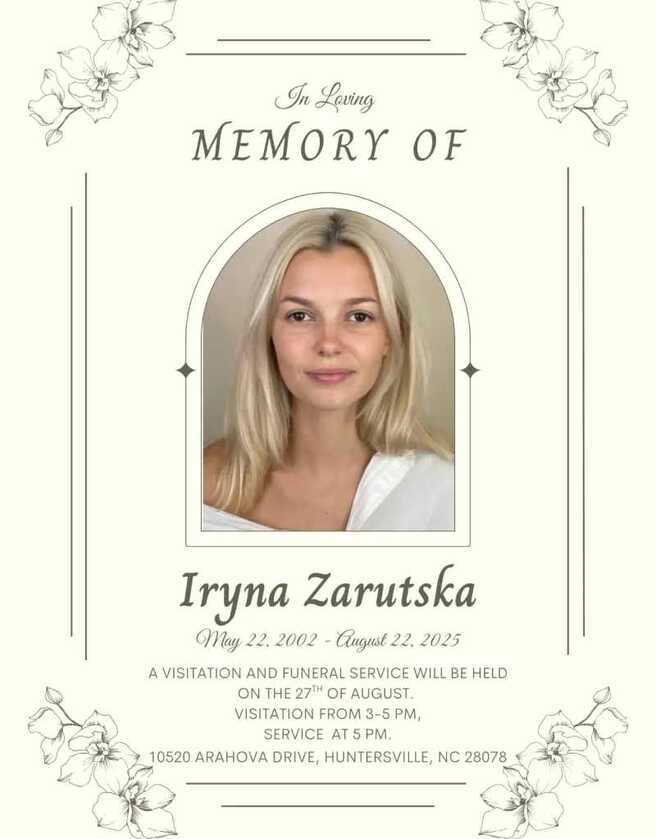
Iryna’s journey, cut short though it was, speaks to the enduring power of presence and intention. She reminds us that even in the face of adversity, beauty can be cultivated, love can be given freely, and life can be lived with purpose. Her story is a challenge to all of us: to notice the small moments, to honor those around us, to act with kindness, and to leave a mark that, like hers, will echo long after we are gone.
In remembering Iryna Zarutska, we remember more than a victim of tragedy; we remember an artist, a dreamer, a daughter, a sister, a friend, and a human being whose vibrancy touched the world. Her life, though unfinished, continues to teach, inspire, and move us. And in that, she achieves a permanence far beyond headlines—a legacy of love, creativity, and courage that will endure, refusing to be forgotten.
Chris O'Neil © Trash Media Group 2025