The Vanishing Father: How a Culture Built on Emotion Pushes Men Out of Protecting Their Own Children
By Chris O’Neil — Trash Media Group
There was a time when American fathers were expected to be protectors; the steady hand, the grounding force, the person who stepped forward when a child was in danger. Today, that image still exists in memes and Father’s Day cards, but it’s increasingly disconnected from reality. In case after case across schools, courts, and family disputes, one thing is becoming impossible to ignore: fathers are being pushed out of the spaces where their children most need them.
This isn’t about apathy. In my reporting, I’ve spoken to plenty of men who care deeply about their children’s safety. Yet somehow, when predators surface in schools, when districts cover up misconduct, or when medical and identity decisions are made for minors, it is almost always the mothers who end up fighting alone. Fathers, even the devoted ones, often find themselves sidelined, cut out of communication, or treated as unwelcome when they try to step in.
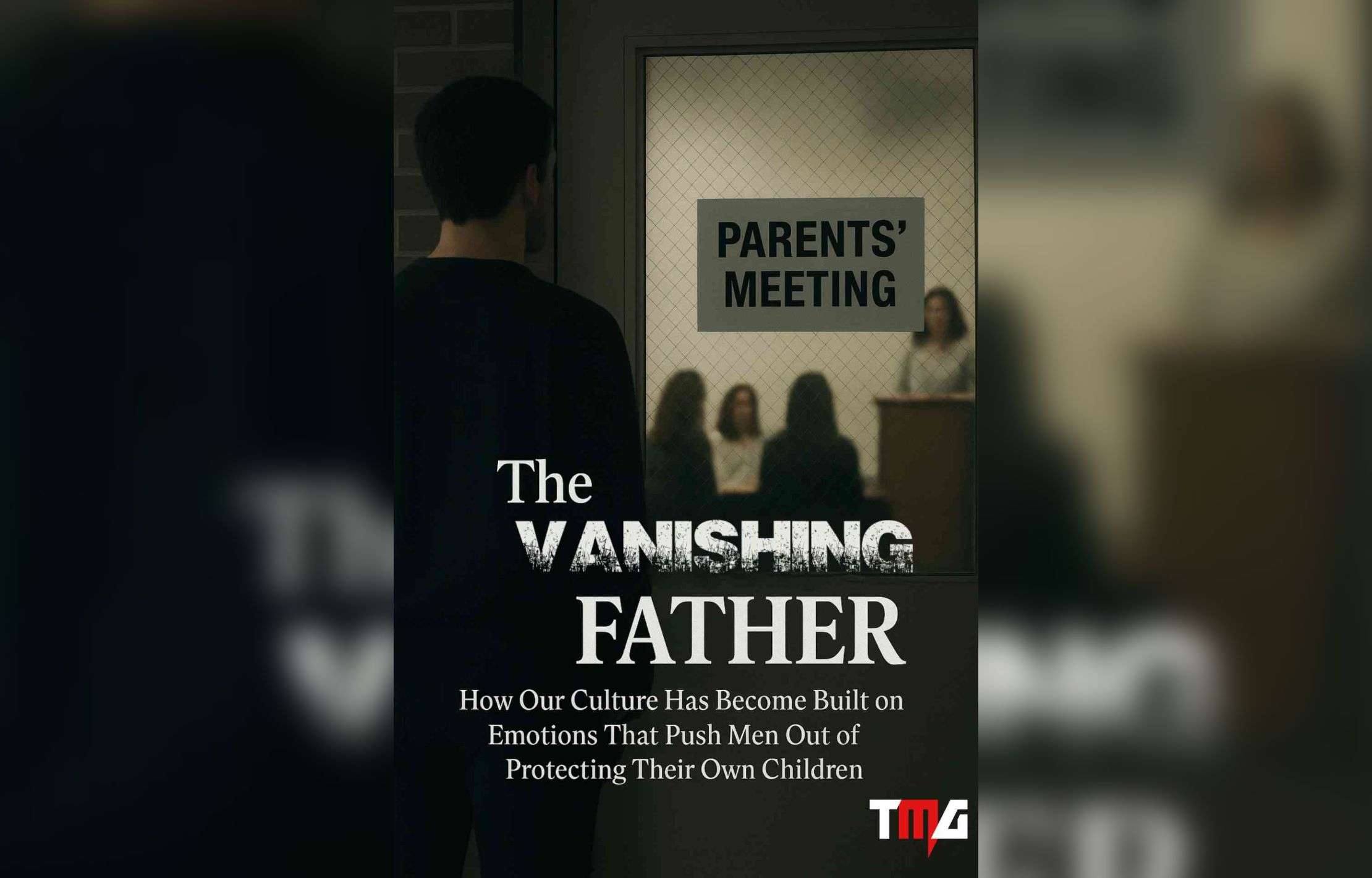
Schools are one of the clearest examples. Administrators overwhelmingly default to contacting mothers, looping them into discussions, meetings, and crisis communication while fathers remain peripheral unless the mother brings them in. And when a father does show up; when he raises concerns, when he demands accountability; his presence is often treated as a threat. Mothers who express outrage are called protective, passionate, even brave. Fathers who show that same urgency are labeled aggressive, intimidating, or unstable. The exact same emotion is interpreted through two different lenses, and one of them paints men as dangerous for simply advocating for their children.
This dynamic doesn’t end at the school doors. Family courts still operate on an unspoken assumption that mothers are the “default parent,” while fathers are an accessory. Even today, custody battles routinely tilt toward mothers, regardless of circumstance. Fathers who present evidence of harm or misconduct often watch it dismissed or minimized. Their concerns are reframed as controlling behavior, their warnings chalked up to anger. A mother’s emotional appeal is seen as nurturing; a father’s logical argument is seen as hostility. In many cases, fathers aren’t just unheard; they’re actively penalized for trying to participate.
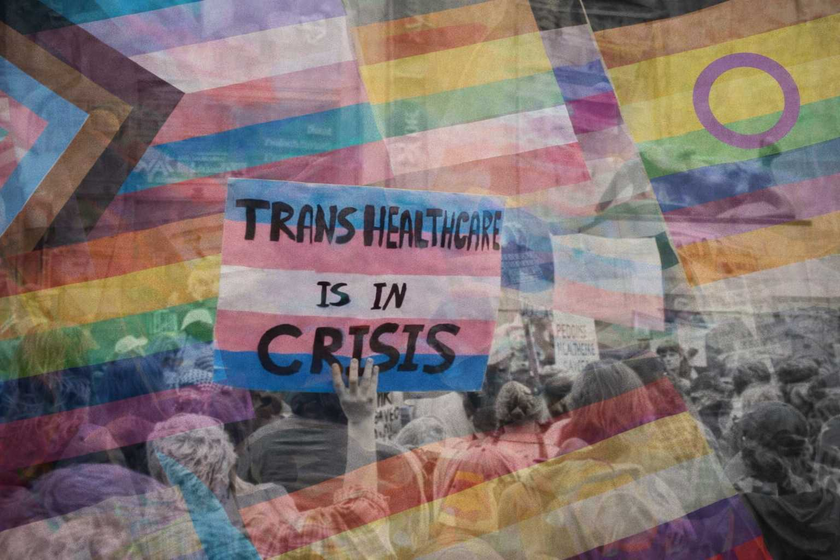
Nowhere is this more visible than in modern disputes over medical or identity decisions involving children. When one parent unilaterally pushes major changes; whether medical, psychological, or social - institutions overwhelmingly side with the mother, even if the father is simply asking for caution, evaluation, or time. A father who says, “Slow down, let’s make sure this is the right thing for our child,” is treated as oppressive or bigoted. A father who believes his son or daughter should remain the sex on their birth certificate; regardless of sexuality or interests is portrayed as dangerous, outdated, or abusive. Rational concern becomes a character flaw. Logic becomes violence. Meanwhile, emotional reasoning is instantly validated, celebrated, and institutionalized.
This points to a deeper cultural shift. In modern America, emotion has become the ultimate authority. Whoever feels the strongest is assumed to be the most correct. Public institutions from courts to schools to social services are increasingly guided by emotional narratives rather than balanced reasoning. And because women are socially permitted to express emotional urgency while men are discouraged from it, the power dynamic tilts automatically. The parent allowed to express emotion without consequence becomes the de facto decision-maker.
The problem is simple: children need both kinds of protection. They need emotional warmth and fierce maternal instinct, but they also need the stabilizing logic, scrutiny, risk assessment, and boundary-setting that fathers traditionally and biologically provide. When one half of that equation is silenced, children suffer. Mothers carry the full burden alone. Systems become lopsided. Institutions go unchallenged. And predators or negligent officials encounter far fewer barriers because only half the parental force is allowed through the door.
This is not a condemnation of mothers. Many are doing everything they can, often while fighting systems designed to overwhelm them. This is a condemnation of a society that asks mothers to fight every battle while treating fathers as liabilities when they try to join the fight.
The truth is stark: we have created a culture where fathers are expected to protect their children, but punished when they try. They are told to step up, then told to sit down. They are blamed for being absent, then pushed out of the very spaces where they attempt to be present.
If we want stronger families, safer schools, and better outcomes for children, we need to dismantle the systems that treat fathers as optional or dangerous. We need institutions that recognize both parents as equal participants. We need courts that prioritize evidence over emotion. We need schools that communicate with both parents, not just one. And we need a culture that understands fathers are not intruders into their children’s lives...they are essential!
It’s time for fathers to reclaim the protective role society says they should have. And it’s time for society to finally let them.